
Choosing cooling in the Hills can feel weirdly high stakes. Hot spells, humid stormy days, and those cool evenings that arrive out of nowhere. People want comfort, but they also want bills that do not sting, and a system that does not cough itself to death after two summers.
This is a revisited, practical guide to Air Conditioning Hills District How to Choose the Right, Revisited. Not theory. Not brochure talk. Just the decisions that actually matter for homes and small businesses across the Hills District in Sydney.
What should they consider first when choosing air conditioning in the Hills District?
They should start with the building and the way it is lived in, not the brand. Room sizes, insulation, ceiling height, sun exposure, and how many people are usually home will shape everything.
Before comparing models, they should list the rooms that truly need cooling, the times of day those rooms are used, and any pain points. This sets up the rest of Air Conditioning Hills District How to Choose the Right, Revisited properly.
Should they choose split systems, ducted, or multi split?
They should choose the type that matches how many rooms they want to condition and how much control they want. Split systems suit single rooms or small zones. Ducted suits whole home comfort and cleaner aesthetics. Multi split sits between, but can get expensive and complex.
For many Hills homes, one great split in the main living area plus another in the master is common. For larger double storey homes, ducted zoning often makes more sense, which is a key point in Air Conditioning Hills District How to Choose the Right, Revisited.
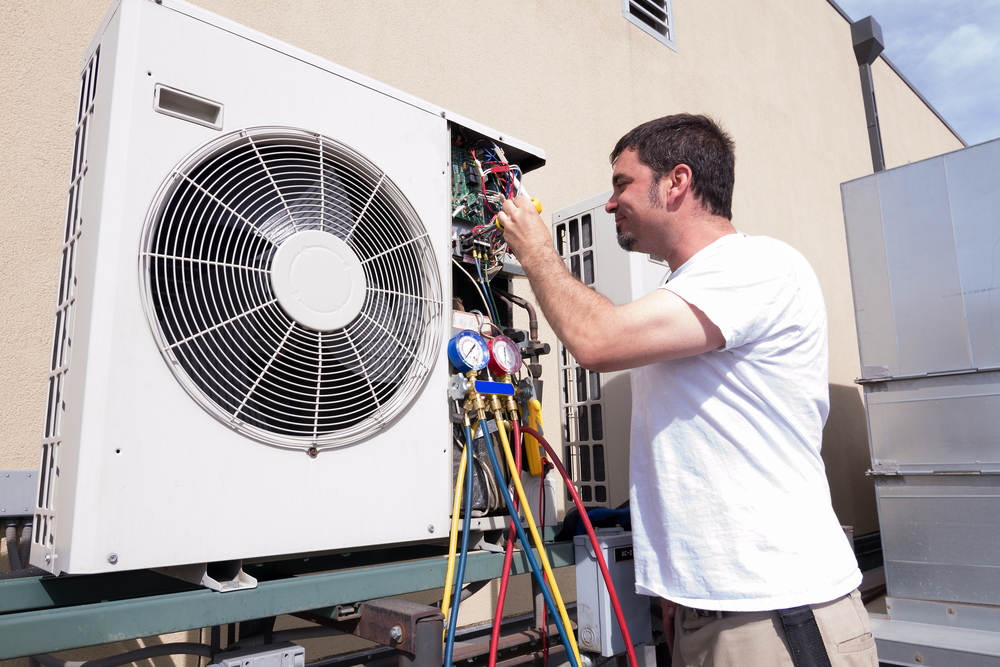
How do they work out the right size system without guessing?
They should get a proper heat load assessment, not a quick “this should do” estimate. Cooling capacity depends on more than floor area, especially in rooms with lots of glass or west-facing walls.
As a rough guide, a small bedroom might need around 2.0 to 2.5 kW, while open-plan living can jump much higher. But guessing leads to the classic problem. Too small struggles. Too big short cycles and feels clammy. This sizing step is central to Air Conditioning Hills District How to Choose the Right, Revisited.
Why is zoning such a big deal in the Hills District?
They should prioritise zoning because it reduces running costs and stops overcooling unused spaces. Zoning means only conditioning the areas in use, which matters when the weather swings or different family members keep different schedules.
Ducted zoning can be set up by floor, bedroom wing, or living zones. Even with splits, “zoning” can be done by choosing the right rooms and shutting doors. This is one of the simplest cost controls mentioned in Air Conditioning Hills District How to Choose the Right, Revisited.
What features actually matter, and which are mostly marketing?
They should care about inverter efficiency, good filtration, low noise ratings, and reliable WiFi control. Those are everyday features that change comfort and usability.
They can ignore most fancy modes if the system is sized right and installed well. A quiet outdoor unit, a sensible timer, and a controller people will actually use beats twenty settings no one touches. Feature selection is a practical chapter of Air Conditioning Hills District How to Choose the Right, Revisited.
How should they think about energy ratings and running costs?
They should compare energy ratings, but also consider how they will run it day to day. A high efficiency unit still costs plenty if it is running with doors open, poor insulation, or unrealistic set temperatures.
In Sydney conditions, setting around 24°C to 26°C in summer is often comfortable and efficient. They should also check if the unit performs well at higher outdoor temperatures, because heatwaves do happen. Running cost realism is a major theme in Air Conditioning Hills District How to Choose the Right, Revisited.
Does the installer matter more than the brand?
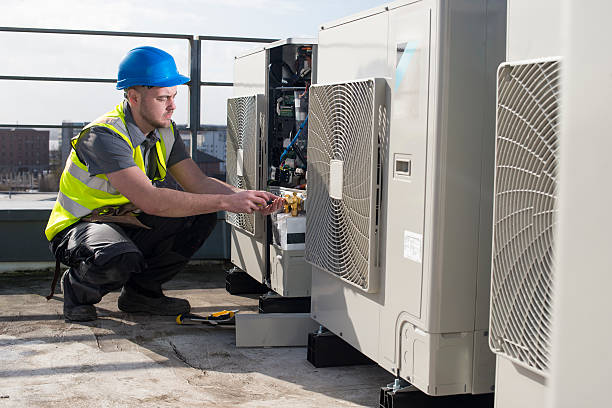
Yes. They should treat installation quality as at least as important as the logo on the front. Poor pipework, incorrect refrigerant charge, messy drainage, or bad placement can make a premium unit perform like a cheap one.
They should look for licensed Australian installers, clean workmanship, and clear commissioning practices. The “right” system becomes wrong fast if the install is rushed, which is why Air Conditioning Hills District How to Choose the Right, Revisited keeps returning to this point.
Where should indoor and outdoor units be placed for best performance?
They should place indoor units for airflow, not just where the wall space is. The air needs a clear path across the room, and the unit should not be blasting directly onto beds or desks if it can be avoided.
Outdoor units should have breathing room and be accessible for servicing. In the Hills, they should also consider leaf litter, storms, and noise near neighbour fences. Placement decisions quietly drive satisfaction, a detail repeated in Air Conditioning Hills District How to Choose the Right, Revisited.
How can they avoid common mistakes people make in the Hills District?
They should avoid oversizing, skipping insulation improvements, and choosing ducted without proper zoning. They should also avoid picking based only on upfront price and forgetting servicing access.
Another common mistake is cooling the whole home when only one or two rooms are used most evenings. A smart split system plan can beat a poorly designed ducted setup. Avoiding mistakes is basically the hidden value of Air Conditioning Hills District How to Choose the Right, Revisited.
What maintenance should they expect, and how often?
They should expect basic filter cleaning every few weeks in summer, plus professional servicing roughly once a year, depending on usage and environment. If there are pets, nearby construction, or lots of trees, filters clog faster.
They should also keep outdoor coils clear of debris and make sure condensate drains are working. Maintenance is not glamorous, but it protects efficiency and air quality, and it belongs in Air Conditioning Hills District How to Choose the Right, Revisited for a reason.
Should they consider heating performance too, not just cooling?
They should, because most modern systems are reverse cycle and will handle winter heating as well. In the Hills District, winter nights can be surprisingly cold, especially in homes with poorer insulation.
A system that heats efficiently can reduce reliance on expensive plug-in heaters. They should check heating capacity, defrost behaviour, and comfort in larger spaces. All season thinking is part of Air Conditioning Hills District How to Choose the Right, Revisited.
How should they compare quotes without getting tricked?
They should compare like for like inclusions, not just the bottom line. A good quote should state model numbers, capacity, zoning details, controller type, warranty, installation specifics, electrical works, and disposal of old units.
They should ask what commissioning steps are included and whether the installer will test pressures and temperatures. If two quotes look similar but one is vague, the vague one usually hides shortcuts. Quote comparison is a key step in Air Conditioning Hills District How to Choose the Right, Revisited.
What is the simplest decision path they can follow?
They should follow a short sequence. Identify the rooms that matter. Decide split vs ducted based on how many rooms need conditioning. Get a proper load calculation. Prioritise zoning. Choose a reputable installer and compare detailed quotes.
That is it. When they stick to that path, most “surprise regrets” disappear. It is the clean takeaway from Air Conditioning Hills District How to Choose the Right, Revisited.
FAQs (Frequently Asked Questions)
What is the first step to consider when choosing air conditioning in the Hills District?
Start by assessing the building and how it is used, focusing on room sizes, insulation, ceiling height, sun exposure, and occupancy patterns. Identify which rooms need cooling and when they are used to guide your choice effectively.
Should I choose split systems, ducted, or multi-split air conditioning for my Hills District home?
Choose based on the number of rooms you want to cool and your control preferences. Split systems suit single rooms or small zones, ducted systems provide whole-home comfort with cleaner aesthetics, and multi-split systems offer a middle ground but can be costly and complex.
How do I determine the right size air conditioning system without guessing?
Obtain a professional heat load assessment rather than relying on rough estimates. Proper sizing considers factors beyond floor area, such as glass exposure and wall orientation, preventing issues like inadequate cooling or short cycling.
Why is zoning important for air conditioning in the Hills District?
Zoning reduces running costs and prevents overcooling by conditioning only occupied areas. It accommodates varying schedules and weather swings, making systems more efficient whether using ducted zoning or strategic use of split units.
Which air conditioning features truly matter versus those that are mostly marketing hype?
Focus on inverter efficiency, good filtration, low noise levels, and reliable WiFi control. Avoid overvaluing fancy modes; practical features like quiet operation and user-friendly controls have a bigger impact on comfort and usability.
How should I approach energy ratings and running costs for air conditioning in the Hills District?
Compare energy ratings but also consider daily usage habits. Efficient units can still incur high costs if run improperly—keep doors closed, maintain insulation, set temperatures between 24°C to 26°C in summer, and ensure the unit performs well during heatwaves.