
15 Modern Bathroom Tile Ideas to Transform Your Space in 2026
The Australian bathroom is no longer just a functional utility room; it has evolved into a private sanctuary dedicated to wellness and architectural expression. As we look toward the design shifts of the coming year, the focus has moved away from sterile, clinical whites toward texture, organic warmth, and bold geometry.
If you are planning a renovation, selecting the right surface is the most critical decision you will make. These 15 modern bathroom tile ideas to transform your space in 2026 reflect a blend of global sophistication and the rugged, natural beauty unique to the Australian landscape.
See more: Beyond the Basics: Creative Subway Tile Layouts Designers Love Right Now
The Evolution of Bathroom Surface Design
In 2026, bathroom design is driven by “Sensory Minimalism.” This concept prioritizes how a room feels to the touch as much as how it looks to the eye. We are seeing a move away from high-gloss, slippery surfaces in favor of matte finishes, honed natural stones, and three-dimensional “finger” tiles.
The goal is to create a space that feels grounded. By utilizing advanced manufacturing techniques, modern tiles now mimic rare marbles and aged timbers with such precision that they are nearly indistinguishable from the real thing, offering homeowners durability without compromising on aesthetic luxury.
15 Modern Bathroom Tile Ideas to Transform Your Space in 2026
1. Tactile Kit-Kat (Finger) Tiles
Kit-Kat tiles remain a staple for 2026, but with a twist. Instead of uniform colors, look for variegated glazes that offer subtle shifts in tone. They are perfect for curved vanity carcasses or feature walls in the shower.
2. Large Format Porcelain Slabs
To achieve a seamless “hotel luxury” look, large format slabs (up to 3 meters) minimize grout lines. This is not only visually stunning but also makes the bathroom significantly easier to clean.
3. Terracotta and Zellige Variations
The move toward “Warm Minimalism” has brought earthy tones back to the forefront. Hand-crafted Zellige tiles from Morocco, or high-quality ceramic emulations, provide an iridescent, uneven surface that catches the light beautifully.
4. The “New” Checkerboard
Move over black and white. The 2026 checkerboard uses tonal pairings—think sage green and cream, or terracotta and sand. It’s a softer, more sophisticated take on a classic pattern.
5. Fluted and Ribbed Textures
Texture is the ultimate luxury. Fluted tiles add vertical rhythm to a room, creating a play of light and shadow that changes throughout the day.
6. Travertine-Look Porcelain
Natural travertine is porous and high-maintenance. Modern porcelain technology now allows for the “vein-cut” look of travertine with zero porosity, making it ideal for Australian wet rooms.
7. Deep Oceanic Blues and Eucalypt Greens
Reflecting the Australian coast and bushland, deep saturated tones are replacing the “all-grey” palette. These colors provide a sense of calm and biophilic connection.
8. Encaustic Geometric Patterns
Bold, matte encaustic tiles are being used on floors to anchor a room. Pair them with simple, oversized wall tiles to avoid visual clutter.
9. Metallic and Oxidized Finishes
For an industrial or contemporary edge, tiles that mimic oxidized copper or rusted steel add a sense of history and “wabi-sabi” imperfection to the space.
10. Vertical Stack Bond Layouts
The way you lay the tile is as important as the tile itself. Stacking rectangular tiles vertically rather than in a traditional brick bond makes low Australian ceilings feel significantly higher.
11. Terrazzo with Oversized Aggregates
Terrazzo is evolving. In 2026, we are seeing “Maxi-Terrazzo” with large, chunky stone inclusions that feel more like a piece of art than a floor covering.
12. Picket and Hexagon Hybrids
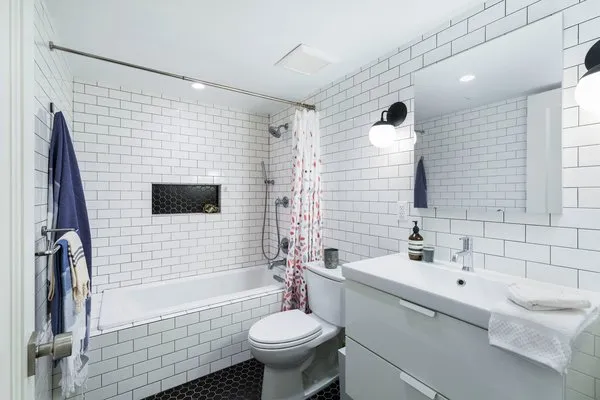
Elongated hexagons, or “picket” tiles, offer a more modern alternative to the traditional subway tile, providing a sophisticated geometric flow.
13. Wood-Look Planks in Herringbone
Advancements in digital printing mean wood-look tiles now feature realistic grain textures. Laying these in a herringbone pattern adds a classic, high-end feel to the floor.
14. Integrated Niche Tiling
Using the same tile for the walls and the internal shower niche creates a streamlined, architectural look. Contrast this with a mitred edge for a premium finish.
15. Matte Black and Charcoal Slate
For those seeking a moody, “spa-at-night” vibe, dark slate-look tiles provide a grounded, masculine elegance that pairs perfectly with timber vanities.
Why Tile Selection Dictates Bathroom Longevity
Choosing the right tile is about more than just “the look.” In the Australian climate, tiles must handle high humidity and temperature fluctuations.
| Tile Material | Pros | Best Use Case |
| Porcelain | Extremely durable, water-resistant | High-traffic floors & showers |
| Ceramic | Cost-effective, massive color range | Decorative wall features |
| Natural Stone | Unique, high resale value | Luxury master ensuites |
| Glass | Reflects light, easy to wipe | Backsplashes & accents |
Best Practices for Implementation
To ensure your 15 modern bathroom tile ideas to transform your space in 2026 look as good in reality as they do in a magazine, follow these expert tips:
- Grout Selection: Never treat grout as an afterthought. A matching grout color creates a seamless look, while a contrasting grout highlights the tile’s shape.
- Slip Ratings: For Australian floor tiles, always check the “P” rating. A P3 or P4 rating is generally recommended for wet areas to ensure safety.
- Lighting Interaction: Always view tile samples in your bathroom’s specific light. LED “cool” lights will make blues pop, while “warm” lights can make cream tiles look yellow.
Common Mistakes to Avoid
- Ignoring Layout Planning: Failing to “dry lay” tiles can lead to awkward slivers of tile at the corners or floor edges.
- Over-complicating Patterns: If you choose a busy floor tile, keep the wall tile simple. A room needs a “hero” and a “supporting cast.”
- Using Wall Tiles on Floors: Wall tiles are often thinner and lack the slip resistance required for flooring. Always check the manufacturer’s usage specifications.
Step-by-Step Selection Framework
- Step 1: Define your “Anchor” tile (usually the floor or a main feature wall).
- Step 2: Select a complementary palette (limit to 3 different tile types max).
- Step 3: Choose your grout colors and metal trim finishes (chrome, brass, or gunmetal).
- Step 4: Calculate 10-15% wastage to account for cuts and future repairs.
Internal & External Resource Suggestions
- Internal Link: Essential Guide to Australian Bathroom Renovations
- Internal Link: How to Choose the Right Grout for Large Format Tiles
- External Reference: Refer to the Housing Industry Association (HIA) for Australian waterproofing standards.
- External Reference: Consult the Standards Australia (AS 3958.1) for ceramic tile installation guides.
FAQ Section
What is the most popular bathroom tile color for 2026?
Warm neutrals, such as oatmeal, sand, and soft terracotta, are leading the trends, alongside deep biophilic greens and muted blues.
How do I make a small bathroom look bigger with tiles?
Use large-format tiles to minimize grout lines and lay rectangular tiles vertically to draw the eye upward, creating the illusion of height.
Are Kit-Kat tiles going out of style?
No, but the application is changing. In 2026, the trend is toward matte finishes and “honed” textures rather than the high-gloss look of previous years.
What is a “P” rating for tiles?
The “P” rating stands for Pendulum slip resistance. For Australian bathrooms, a P3 or P4 rating is ideal for floor surfaces to prevent slips when wet.
Can I tile over existing tiles in a bathroom?
While possible (known as “tile-on-tile”), it is generally recommended to strip back to the substrate to ensure the waterproofing membrane is intact and to avoid height transition issues.
Conclusion
The 15 modern bathroom tile ideas to transform your space in 2026 highlighted in this guide showcase a move toward personality, texture, and a deep connection to natural materials. Whether you opt for the architectural precision of fluted tiles or the timeless warmth of stone-look porcelain, the key to a successful renovation lies in balancing aesthetics with high-performance functionality.