
Subway tiles have always been the quiet hero of interior design—timeless, budget-friendly, and endlessly adaptable. But in 2025, designers are taking subway tiles far beyond the classic brick pattern. Homeowners are experimenting with unexpected subway tile layouts, bold tile color trends, expressive grout ideas, and creative tile patterns that redefine kitchens and bathrooms.
Whether you’re renovating, refreshing, or designing from scratch, this guide reveals the modern layouts designers are obsessing over right now—and how you can use them to transform your home in a stylish, practical, and contemporary way.
Why Creative Subway Tile Layouts Are Trending in 2025
Today’s homeowners want more personality in their spaces—more texture, more color, more geometry, and more craftsmanship. Traditional subway tiles provide the perfect canvas for creativity.
Top reasons designers are embracing modern patterns
- They elevate simple tiles into statement features
- They help small rooms feel larger or more structured
- They allow mixing colors, finishes, and textures effortlessly
- They deliver high-end style without high-end cost
- They align perfectly with current minimalist and artisanal design movements
H2: Must-Try Subway Tile Layouts Designers Love Right Now
Below are the most buzzworthy patterns defining 2025 interior design.
H3: 1. Vertical Herringbone
A fresh twist that blends tradition and modernity. Instead of angling tiles horizontally, the pattern flows upward, creating height and elegance.
Why it works:
- Draws the eye upward, enhancing height
- Balances visual movement without feeling busy
- Perfect for shower walls or behind vanities
Designer tip: Pair white tiles with charcoal grout to sharpen the geometry.
H3: 2. Double-Stacked Grid Pattern
Also known as “double stack bond,” this layout doubles the width of the design visually, creating a crisp, modern grid effect.
Best for:
- Ultra-modern kitchens
- Minimalist bathrooms
- Feature walls needing more structure
Use muted grout ideas—like warm gray—to avoid harsh contrasts.
H3: 3. Step Ladder / Offset Vertical Layout
An artistic pattern where tiles shift upward like a staircase.
Benefits:
- Adds subtle movement
- Works well in narrow spaces
- Provides a handcrafted look, even with machine-cut tiles
Try pastel kitchen tiles or muted bathroom tiles for a soft, contemporary feel.
H3: 4. Basketweave with Subway Tiles
Basketweave patterns traditionally use small mosaics, but designers now recreate them using rectangular subway tiles for a dramatic, geometric result.
Where it shines:
- Accent walls
- Fireplace surrounds
- Shower feature strips
For a statement look, consider two-tone tile patterns mixing matte and glossy finishes.
H3: 5. Reverse Running Bond
A playful twist where tiles shift upward each row instead of downward, creating a dynamic reverse-motion effect.
Designer insight:
This layout works beautifully in Scandinavian and Japandi interiors because it feels clean yet unexpected.
H3: 6. Vertical Stack with Accent Borders
A simple layout that becomes visually rich when paired with contrasting tile borders.
Perfect for:
- Modern kitchens
- Small powder rooms
- Industrial-style apartments
Pair matte black borders with cream subway tiles for a high-contrast finish.
H3: 7. Mixed Directional Layouts
This trend layers multiple patterns—like stacking tiles vertically in one zone and running them horizontally in another.
Great for:
- Zoning open bathrooms
- Adding structure behind cabinets
- Highlighting alcoves and niches
Mix directions but keep tile color trends consistent for cohesion.
H2: Color Combinations That Elevate Creative Subway Tile Layouts
Subway tiles don’t have to be white. In 2025, color is one of the biggest design statements.
H3: Soft Earth Tones
Clay, sand, mushroom beige, and olive reflect nature’s palette—currently dominating modern kitchens.
Best for: small kitchens that need warmth without heaviness.
H3: Jewel-Toned Tiles
Deep emerald, sapphire blue, and rich aubergine add luxury and mood to bathrooms.
Pair with: brushed gold hardware and warm grout tones.
H3: High-Gloss Whites with Pastel Accents
Classic white but elevated with blush, mint, or pale blue feature zones.
Example: White herringbone walls paired with a pastel step-ladder layout behind the sink.
H3: Two-Tone Tile Blocking
Combining two colors in one space—such as dark tiles on the bottom and lighter tiles above—creates visual lift.
Designer tip: Use the same grout color throughout to maintain harmony.
H2: Grout Ideas That Transform Modern Tile Patterns
Grout is no longer just a filler—it’s a design tool.
H3: High-Contrast Grout for Statement Geometry
Dark grout with light tiles accentuates angles in herringbone, basketweave, and reverse running bond patterns.
H3: Soft Neutrals for Minimalist Interiors
Warm greys, greige, beige, and sand-colored grout soften bold layouts, making them feel calm and refined.
H3: Colored Grout for Artistic Expression
2025’s top grout ideas include muted sage, navy, terracotta, and stormy blue.
These colors pair beautifully with neutral subway tiles to create subtle drama.
H2: Creative Subway Tile Layouts in Kitchens
Your kitchen is one of the best places to experiment with tile patterns.
H3: Full-Height Vertical Stack Backsplashes
Running tiles from the countertop to the ceiling elongates tight kitchens and feels ultra-modern.
H3: Herringbone Behind the Stove
A classic designer move that turns a simple cooking zone into a stunning focal point.
Pro tip: Use glossy kitchen tiles to enhance light reflection.
H3: Decorative Borders Around Windows
Layer tile patterns around kitchen windows to add architectural interest and frame your view.
H3: Minimalist Grid for Contemporary Cabinets
Pair flat cabinetry with clean grid tile patterns to achieve a sleek, high-end look.
H2: Creative Subway Tile Layouts in Bathrooms
Bathrooms are the perfect playground for exploring layout creativity.
H3: Full-Wall Wraparound Patterns
Tile all the way around the room—floor to ceiling—to create a spa-like environment.
H3: Herringbone Shower Walls
One of the most popular bathroom tile trends in 2025. It adds movement and visual depth without overwhelming the space.
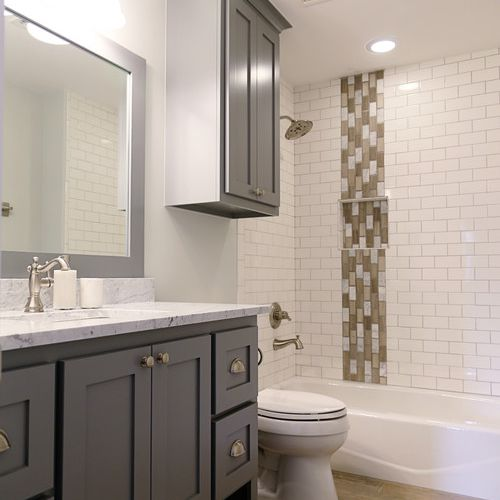
H3: Vertical Tile Borders in Small Bathrooms
Use vertical accent strips to break up small spaces and guide the eye upward.
H3: Two-Directional Tile Zones
Run tiles vertically in the shower and horizontally on the bathroom walls for subtle contrast.
H2: 2025 Pattern & Styling Trends to Watch
Designers predict several subway tile styling directions will dominate the next few years.
H3: Handmade & Textured Finishes
Wavy surfaces and artisan imperfections are in high demand.
H3: Matte-and-Gloss Mixes
Mixing finishes helps add dimension without requiring bold colors.
H3: Oversized Subway Tiles
Larger formats like 3×12 or 4×16 reduce grout lines and create seamless luxury.
H3: Tile Layouts That Flow Room to Room
Continuous layouts from kitchen to hallway or bathroom create architectural flow.
Final Tips for Choosing the Best Modern Subway Tile Layout
- Define your focal point before choosing tile patterns
- Mix patterns sparingly—one main layout + one accent layout
- Choose grout ideas that complement your tile color trends
- Consider maintenance when choosing textures and grout
- Visualize with samples before installation
FAQs
1. How do creative subway tile layouts change the look of a room?
Creative layouts add movement, depth, and architectural interest. Patterns like vertical herringbone or basketweave can make small rooms feel larger while adding a designer touch. The flexibility of subway tile layouts means you can create something subtle, bold, or completely custom depending on your style and space.
2. Which subway tile layout is trending most in 2025?
Vertical herringbone and stacked grid patterns are leading the 2025 trend list. Designers love them because they modernize the classic subway tile look while keeping rooms feeling open and clean. These layouts pair well with warm grout ideas and trending tile color palettes like earth tones and soft greens.
3. What are the best color combinations for creative tile patterns?
Earthy neutrals, pastels, and rich jewel tones dominate 2025. For subtle elegance, pair warm beige tiles with greige grout. For drama, try emerald tiles with gold hardware and contrasting grout. Tile color trends lean toward expressive, nature-inspired palettes that still feel timeless.
4. Should I use high-contrast grout with bold tile patterns?
If you want your pattern to stand out, yes—high-contrast grout creates crisp definition and highlights the geometry. For minimalist aesthetics, use color-matched grout to soften the look. Both approaches work with modern subway tile layouts depending on your design goals.
5. Can subway tiles work in small kitchens and bathrooms?
Absolutely. Subway tiles are ideal for small rooms because their shape elongates walls and brightens the space. Creative subway tile layouts—like vertical stack, step ladder, or herringbone—can enhance height and width, making compact areas look polished and more spacious.
6. What tile patterns work best with textured subway tiles?
Textured subway tiles look stunning in simple grid or classic brick layouts. Their handcrafted surface already provides visual interest, so pairing them with simpler patterns keeps the overall look balanced. Layering textured tiles in accent areas also creates depth without overwhelming the space.